

10 Unmistakable Reasons Alaska Should Be Your Next Adventure [No Snakes, All Wonder]
Let’s cut through the ordinary—welcome to Alaska, the land where the air feels extra crisp, the mountains look unreal, and you never have to worry about snakes stealing your picnic. Wide-open spaces run wild, stretching farther than your road trip playlist, while glaciers and northern lights play the world’s coolest game of tag overhead.
Alaska’s got personality. It’s bigger than Texas, proudly untamed, and packed with quirky treasures you just won’t find anywhere else in the U.S. Unspoiled wilderness sits side-by-side with vibrant native cultures, caribou stroll highways, and don’t be shocked if a bald eagle photobombs your selfie.
This list promises 10 reasons Alaska should top your travel wishlist. Each one’s honest, a bit cheeky, and sure to convince you that skipping the lower 48 for this northern wonder will give your inner explorer a serious case of happy feet.
This post contains affiliate links that I may earn a small commission from, at no extra cost to you, if you were to click through the link and make a purchase. As an Amazon Associate I earn from qualifying purchases.
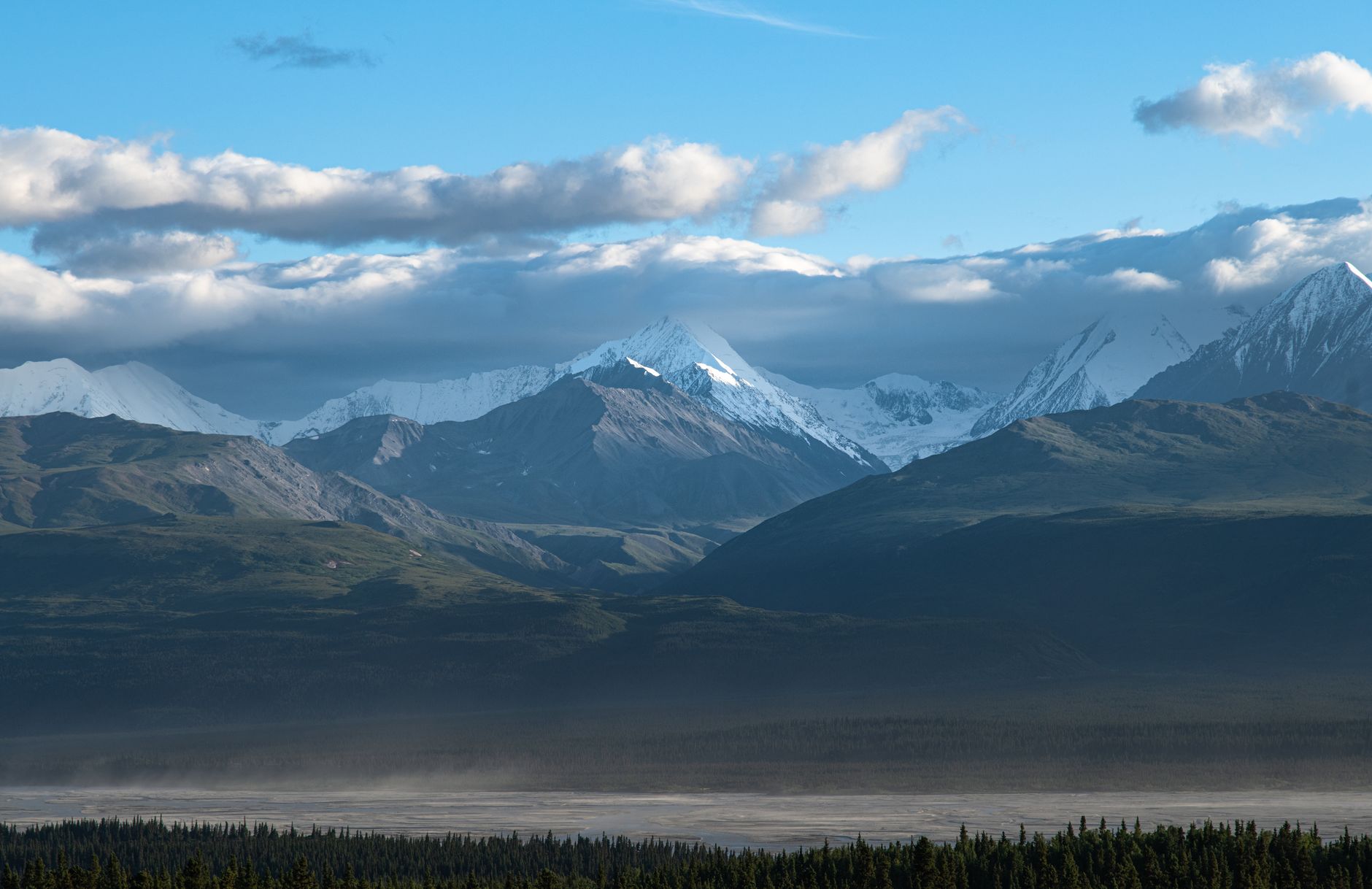 Photo by John De Leon
Jaw-Dropping Landscapes
Alaska doesn’t skimp on scenery. Everywhere you look, the horizon teases you with snowy peaks, glistening lakes, or forests that seem to stretch right off the map. This state isn’t just big—it feels cinematic, like you’ve stepped into a nature documentary with a front-row seat to the show. If you thought postcards were exaggerated, Alaska sets the record straight.
Glaciers: Nature’s Icy Giants
You’ll see glaciers lounging between mountain ridges, as if they were Alaska’s version of skyscrapers. There are more than 100,000 glaciers blanketing the state, covering everything from alpine slopes to sea level. These blue-white rivers of ice wow visitors whether you’re cruising by on a boat or flying over by small plane. Some glaciers even plop into the ocean, sending icy confetti into the water below.
- The state’s national parks house about a quarter of all its glaciers, creating a wonderland for anyone who loves frosty adventures. Check out standout spots and learn more about Alaska’s unique glaciers at the National Park Service.
- Seeing a glacier calve up close? That’s a bucket-list moment that beats any ice cream headache.
Mighty Mountain Ranges
Alaska’s mountain ranges look like Mother Nature flexing her muscles. The Brooks Range, the Chugach, and the famous Alaska Range (home to Denali, North America’s highest peak) stitch together the wildest skyline you’ll ever see.
- Denali towers at 20,310 feet, dwarfing everything for miles around. The surrounding peaks are no slouches either.
- Each range offers its own flavor: some with arctic tundra, others cloaked in spruce forests or topped with permanent snow. For a deep dive into mountain wonders, visit the Alaskan mountains guide or check out more on the Alaska Range.
The Tundra: Wild, Open, and Surprisingly Colorful
Alaska’s tundra rolls on for miles, painting the state with bursts of reds, oranges, and greens you wouldn’t expect from “frozen ground.” In summer, wildflowers transform these spaces and you’ll spot caribou, foxes, and maybe even a lone musk ox. Walking across the spongy tundra feels like bouncing on nature’s mattress—soft, squishy, oddly comforting.
Lakes: Liquid Mirrors Stretching to Tomorrow
If you love water, Alaska delivers lakes that put puddles and city ponds to shame. From the sprawling, island-dotted Iliamna to turquoise treasures like Kenai and Wonder Lake, each one reflects sky and mountain in ways no filter on Instagram could match.
Some popular lakes you shouldn’t miss:
- Kenai Lake: Famously blue and hugged by mountains.
- Wonder Lake: Offers picture-perfect views of Denali on a calm day.
- Iliamna Lake: Alaska’s largest, with enough space for you (and plenty of salmon). For more lakes to add to your bucket list, check out this list of Alaska’s top lakes.
Endless Forests: More Trees Than You Can Count
Alaska’s forests stretch on like green rivers, filled with black spruce, birch, and aspen, not to mention mushrooms as big as dinner plates and the occasional moose. Strolling these woods feels like wandering across a giant’s backyard.
- The state’s forests offer everything from wildlife watching to silent, mossy trails perfect for reflection. Learn more about Alaska’s wild forests at the official Alaska State Forests site.
- Tall, shadowy, sometimes misty, these woods are the place to lose yourself (in a good way).
From ice palaces to endless greenery, Alaska’s landscapes don’t just impress—they make you question if the world is a little more magical than you thought.

Wildlife Galore
When you set foot in Alaska, wildlife isn’t hiding—it’s practically rolling out the welcome mat. This state is wilder than grandma’s famous moose stew, and the animals here go big, from lumbering bears to dancing whales. Forget snake sightings; Alaska’s cold weather means you’re free from creepy slithers nipping at your ankles (huge win if you ask most visitors). Instead, you get the unfiltered show of Alaska’s best-loved creatures in their own backyard—with no fences, no feeding times, and plenty of jaw-dropping moments.
Bears: The Headliners of the Last Frontier
No wildlife parade is complete without Alaska’s bears. These icons are as much a part of the state as the northern lights. You’ll see brown bears fishing for salmon at Brooks Falls or munching on berries like they run the place. Black bears take to the forests, often looking for a handy berry patch or stray picnic.
- Grizzly bear watching: Katmai and Lake Clark National Parks are the best stage set for these bulky stars.
- Black bear encounters: The Tongass National Forest is famous for safe and respectful viewing.
- Fun fact: Some bears eat up to 90 pounds of salmon in a single sitting. That’s a lot of sushi!
Looking for tour recommendations or more destination ideas for bear viewing? Check out these Alaska wildlife tour options.
Bald Eagles: Royalty With Feathers
Alaska isn’t shy about showing off its national bird—bald eagles. More than 30,000 of these regal flyers call Alaska home. Whether perched along Kenai’s rivers or circling above Chilkat Bald Eagle Preserve, spotting one is practically a local rite of passage.
- Best seasons are spring and fall when bald eagles gather in numbers that look straight out of a documentary.
- Their piercing calls and swooping fishing stunts make for the perfect wildlife photo op.
For details on the best eagle viewing periods and areas, the comprehensive Alaska wildlife guide has you covered.
Moose: Alaska’s Tall, Antlered Locals
Moose might look goofy and awkward, but never underestimate these giants—they’re bigger than most horses and totally own the roads (and sometimes your campsite). Early morning or twilight are the prime times for moose spotting, especially around marshes and city edges.
- The Denali Park Road is prime territory for catching moose families at breakfast.
- With over 175,000 moose wandering statewide, odds are always in your favor.
For top wild moose hangouts and tips on safe viewing, this wildlife viewing spots guide is filled with great resources.
Whales and Sea Otters: Life Beyond the Shore
If you think the best shows stay on land, spend a day on Alaska’s waters. Humpback whales leap and slap the surface, while orcas cruise by with cool efficiency. Summer brings gray whales past the coast, drawing crowds of local sea otters who bob and tumble like furry beach balls.
- Popular whale watching cruises leave from Seward, Juneau, and Sitka.
- Sea otters often raft together in groups, napping and cracking shells with stone tools—be sure to bring your camera!
For inspiration and to plan your own wildlife day trip, see firsthand excursions and day cruises listed on Travel Alaska’s wildlife excursions guide.
No Snakes Allowed
Here’s a perk you didn’t know you needed. Alaska’s chill means it’s the only U.S. state without native snakes. Throw out your snake repellent; there’s nothing slithering between your toes, ever. You get all the wild magic—no hiss, no bite, just pure animal wonder.
From bear-size drama to eagle-eyed moments, Alaska’s wildlife promises every traveler an honest, heart-thumping encounter you won’t forget. Every trek, float, and even roadside stop can serve up something rare and remarkable.
 Photo by Ashley Bilbrey
The Best Fresh Air You’ll Ever Breathe
Step off the plane in Alaska and notice it instantly—the air feels wild, crisp, and pure. Every deep breath here wakes up your lungs, almost like you’re hitting a reset button you didn’t know you had. It’s a refreshing slap of cool that makes you want to fill your chest again and again. Compared to the stuffy haze of traffic and city life, Alaska’s air is like inhaling freedom. Everything smells sharper and sweeter, from wild pine needles to salt spray and rain.
Why Alaska’s Air Feels Different
Alaska’s sweeping wilderness isn’t just a pretty backdrop—it’s a huge filter that keeps the air naturally clean. With far fewer cities and industries than other states, most places here have air that’s untouched and downright delicious. Imagine walking through dense forests or along a mountain ridge, every breath scented with spruce, earth, and the unmistakable zing of glacier-fed streams. According to the Division of Air Quality, the state prioritizes protecting this treasure, ensuring cleaner air and a better outdoor experience.
- No big city congestion: Towns are small, highways are quiet, and pollution is almost a non-issue off the beaten path.
- Millions of forested acres: Alaska’s timber giants act as a giant green air purifier.
- Ocean breezes: Long stretches of untamed coastline mean the wind is always working overtime to keep things fresh.
Scent Notes: Nature’s Best Perfume
Alaska’s air isn’t just clean—it’s full of wild, natural scents. You’ll want to pause, close your eyes, and try to pick out each note. Here’s what tickles your senses the most:
- Pine and spruce: Hikes through the forest fill the air with a tangy, woodsy aroma.
- Wildflowers: In summer, fields and trails burst with the soft sweetness of lupines, fireweed, and arctic roses.
- Fresh rain: Drizzles and downpours leave behind a scent that’s cool, earthy, and invigorating—think of it as the world’s best air freshener.
- Sea breeze: Coastal towns and ferry rides wrap you in salty, bracing wind that carries hints of kelp and driftwood.
The Energizing Effect: Breathing Easy
It’s not just your nose that notices—your whole body responds. Alaska’s air has a way of making you feel more awake, more alive, like you’ve powered up. After a day on the trails or even a stroll around town, you’ll sleep deeper and feel lighter. Visitors often claim they just feel better in Alaska, and research suggests cleaner air actually boosts mood and overall health (see the NPS air quality site for more facts).
- Less smog, less fatigue: No choking exhaust or stale humidity means all-day energy is the norm.
- Healthy air for everyone: Even allergy sufferers tend to breathe easier with fewer triggers floating around.
Take It All In: Where to Find the Freshest Air
Fresh air in Alaska isn’t limited to remote peaks. Some of the purest air can be found in:
- National parks: Wide open, untamed, with wild rivers and endless forests (read more about these spaces at the Alaska Nature and Science Wilderness page).
- Quiet coastal villages: Ocean winds make everything feel extra brisk.
- Mountain valleys and lakesides: These places often feel as still and clean as the day the earth cooled.
Breathe deep—Alaska’s signature air is better than any spa treatment. It’s free, it’s everywhere, and it might just ruin you for every other place.
 Photo by John De Leon
The Northern Lights (Aurora Borealis)
When the sun goes down and the Alaskan night opens up, magic takes over the sky. The northern lights—also known as aurora borealis—aren’t just another tick on your travel list. They’re the kind of show that makes adults gasp and kids forget their bedtime. Catching these glowing sweeps of color feels like Alaska is painting messages just for you across a starry ceiling.
Why the Aurora Borealis Steals the Show
Seeing the northern lights in person is nothing like looking at pictures online. You stand there, sometimes freezing, waiting. And then suddenly, waves of green, purple, and pink ripple overhead, shifting and pulsing like a living painting. It’s pure awe—your own real-life “wow” moment under the world’s biggest dome. Cameras struggle to keep up; no photo captures the shimmer and movement you see with your eyes.
Some nights, the aurora creeps in quiet, like watercolor stains. Other nights, it explodes—arcs, sheets, and pulses spinning like a cosmic disco. The feeling? Part mystery, part wonder, a little like childhood fireworks but multiplied by thunder.
The Best Times to Experience the Lights
Timing is everything when you want this treat. Alaska puts on its best auroral displays from late August through mid-April. Why? Nights last longer, giving you more darkness for the show. In summer, the sun barely sets—most of the sky stays stubbornly blue, even at midnight.
Prime viewing peaks in March. That’s when the nights are still long, but the bitter cold eases up just enough for most people to last outside. For a handy cheat sheet, have a look at the official season guide on Travel Alaska’s northern lights page.
Where to Catch the Ultimate Light Show
Some places in Alaska give you a front-row seat to nature’s greatest spectacle:
- Fairbanks: The unofficial aurora capital. Clear nights, inland skies, and miles from city lights mean high odds.
- Denali National Park: Wild and wide open. You can even watch lights dance over the towering mountains if luck’s on your side.
- Nome and the Arctic Circle: For the adventurers who want it all. Fewer crowds, more sky.
- Remote Lodges: Cozy up with a hot drink. Some lodges offer aurora wake-up calls so you never miss the action.
Curious where else to go? Check out Alaska.org’s detailed aurora guide for more info.
Photos Never Measure Up (And That’s Okay)
Scroll social media and you’ll see endless aurora photos. Gorgeous, but if you think those shots tell the whole story, think again. The human eye picks up movement, shifting colors, and subtle flashes that a camera can’t always catch. Seeing the northern lights live in Alaska feels deeply personal—like nature’s secret handshake.
- The horizon glows, ripples leap and shimmer, and you feel tiny in the best possible way.
- People stand silent, grinning at strangers. Everyone knows: You had to be there.
This isn’t your everyday night sky. The northern lights in Alaska are reason enough to grab a parka, a friend, and a sense of wonder, then step into the cold and look up. The rest of the world disappears for a few minutes, and it’s just you, Alaska, and the universe making small talk. For full details on chasing these lights, Travel + Leisure covers the best months and tips too.

Endless Summer Sun (Midnight Sun)
Alaska in summer isn’t a suntan cliché—it’s where daylight throws out the rulebook. Above the Arctic Circle, the sun just refuses to set. Picture yourself wandering outside at 11 p.m., still bathed in warm golden light. Locals call it the “midnight sun,” and it truly turns every day into an all-nighter. This quirky phenomenon lets you pack your days as full as your heart desires—and the party doesn’t stop when the clock says so.
Why Alaska Gets All This Sun
Thanks to its northern tilt, Alaska’s summer turns time upside down. Between late May and late July, towns like Fairbanks hardly get a taste of darkness. Some spots north of the Arctic Circle bask in 24 hours of daylight for weeks on end. Forget chasing sunsets—here, it’s more like “when will it ever get dark?”
- In Fairbanks, you’ll get more than 70 straight days with hardly any real night.
- Way up in Barrow (Utqiaġvik), the sun doesn’t set for 83 days—plenty of time for even the worst jet lag to adjust.
For a full breakdown and what causes it, check out the Travel Alaska guide to the Midnight Sun and get all the science behind this sun-soaked stretch at Wikipedia’s Midnight Sun entry.
All-Night Adventures: How Alaskans Make the Most of It
When the sun barely dips, Alaskans flip their schedules inside out. Adventure, chores, and fun break free from the nine-to-five. Here’s how they roll with all that extra daylight:
- Late-night hikes: Trails light up with locals and visitors who picnic at midnight and take photos with shadows pointing every direction.
- All-hours festivals: Summer kicks off with quirky celebrations. Think solstice parties, outdoor music, and block-long street fairs. Fairbanks’ annual Midnight Sun Festival draws thousands into downtown for food, music, and games deep into the sunny “night” (Explore Fairbanks Midnight Sun Season).
- Midnight baseball: The Alaska Goldpanners’ Midnight Sun Game in Fairbanks never uses stadium lights. The first pitch? Always exactly at 10:30 p.m. on the summer solstice. It’s a must-see for sports and sunlight fans alike.
Quirky Local Traditions After Hours
With so much bright time on their hands, Alaskans squeeze in as many unique activities as possible. Here’s what you’ll find:
- Gardening at midnight: Sunlight-loving veggies and flowers grow at warp speed. Locals have fun comparing whose peonies are tallest at 2 a.m.
- Fishing whenever you please: Lakes and rivers sparkle with anglers who wander out at bedtime “just because.”
- Backyard bonfires: Why call it a night when the sky still glows? Families roast marshmallows and swap stories long after a “normal” bedtime.
Tips to Survive (and Thrive) Under the Midnight Sun
Adjusting to this upside-down clock can take some practice. Here are easy ways to enjoy it like a seasoned local:
- Pack a sleep mask: Darkness can be rare as summer birthdays. Don’t forget to bring blackout curtains or an eye mask if you want a real night’s sleep.
- Stay flexible: If you find yourself awake at odd hours, don’t fight it. Lean into the joy of true freedom from the ordinary schedule.
- Take sunscreen seriously: With all these sunny hours, it’s way easier to forget you can still get sunburned—trust Alaskans, sunscreen isn’t just for the tropics.
Experiencing the midnight sun in Alaska rewrites everything you know about summer. The fun never sets, quite literally. This is your chance to stretch your adventures, live in the moment, and realize sleep is a flexible suggestion when daylight refuses to quit.
 Photo by Lloyd Douglas
Real Wilderness Adventures
Buckle up your boots—Alaska isn’t a place to just look at. This wild state tosses the city playbook and hands you the true meaning of adventure. Think of Alaska as nature’s ultimate obstacle course, designed for big kids who still love jumping in puddles and climbing stuff just to see what’s up there. Whether you’re a thrill seeker or just want to feel alive again, a taste of the real wilderness here hits different. Surviving (and thriving!) in Alaska is about saying yes to new things, even if you’ve never paddled a kayak or stood on a glacier before.
Hiking: Miles of Wild to Conquer
Lace up and hit the trails—Alaska’s hikes range from gentle valley strolls to epic treks where every step is worthy of a fist pump at the summit. Trails crisscross national parks, forests, and remote tundra. The only real question is if you want your boots dusty, muddy, or a little bit snowy.
- Easy strolls: Discover wildflower meadows or coastal bluffs with views that go on forever.
- Challenging climbs: Denali and the Chugach Mountains call to hikers who want stories to brag about.
- Wildlife surprises: It’s not unusual to cross paths with a grazing moose or see a bald eagle fly overhead.
Looking for specific routes and tips? The Alaska Wilderness Adventures guide lists hiking trails that promise pure adventure without any city noise.
Kayaking: Paddle Into Pure Solitude
Dip your paddle in icy blue water and feel the world fade away—kayaking in Alaska is like gliding through a postcard. Sea otters, seals, and maybe a passing whale become your neighbors for the day.
- Glide past icebergs in Resurrection Bay or Prince William Sound. The water is so clear you’ll see every pebble on the bottom.
- Try a guided trip if you’re new to kayaking—there’s no shame in letting a pro show you the ropes while you take in the views.
- Multi-day adventures let you camp on wild beaches, falling asleep to the sound of waves and distant birdcalls.
Ready for a deep-dive into options? Alaska Wildland Adventures specializes in both chill paddles and multi-day excursions. Their site, Alaska Wildland Adventures, is the place to get inspired.
Flightseeing: Alaska From the Clouds
Alaska’s wild doesn’t stop on land—sometimes, the best seat in the house is a tiny plane circling mountaintops and calving glaciers.
- Flightseeing is the ultimate shortcut to bragging rights. One minute you’re flying over a green river valley, the next you’re staring straight down at Denali or glacier fields bigger than downtown Chicago.
- Some pilots even land on remote lakes or snowfields, giving you minutes to snap the kind of photos your friends will never believe are real.
- Nervous flyers? These small planes are more pickup truck than sports car—bumpy, sure, but sturdy.
You’ll find outfitters offering everything from quick loops to bucket-list glacier landings. Try exploring backcountry options or ask locals for their favorites (Alaska Wilderness Adventures directory).
Dog Sledding: Mushing Isn’t Just for Winter
Who needs a limo when you can ride behind a team of eager huskies? Dog sledding runs year-round in Alaska, letting everyone in on a classic thrill whether there’s snow or solid ground.
- Winter: Zoom through quiet forests and across frozen lakes. That swoosh of the sled and yip of the dogs is just pure happiness.
- Summer: Hop on a wheeled sled or ride up to a glacier by helicopter for a snow-filled dash in the middle of July.
You don’t have to be an Iditarod champ to try it. Sign up for a day tour, meet the pups, and learn the basics from real mushers. Get the scoop on tours at Dog Sledding in Alaska, or for the true sled-head, deep-dive into remote trips at Alaska Wilderness Adventures: Dog Sledding.
How to Jump In: Tips for First-Time Wild Adventurers
Taking on Alaska’s wild is simpler than you think. Most outfitters welcome people of all ages and skill levels—some even hand you snacks before you start.
- Dress in layers; moody weather is Alaska’s thing.
- Guides love questions, especially awkward ones.
- Don’t overpack your courage: even the pros were beginners once.
Alaska’s real wilderness adventures aren’t just for experts. Every age, every ability, every brave heart gets a front-row ticket to memories you can’t get anywhere else. Leave your comfort zone at the airport. Out here, “wild” means you’re guaranteed to surprise yourself.
 Photo by Markus Winkler
Rich Native Cultures
Alaska isn’t just a wild tangle of landscapes—it’s home to cultures so deeply rooted that stories come alive in everything from art to celebration. Across this state, Indigenous peoples pass on traditions, languages, and values through family and community. You’ll see their touch in place names, totem poles, and even the food on the table. If you want to experience Alaska for real, paying attention to its Native cultures is a must.
Who’s Who: A Patchwork of Peoples
Alaska packs in 20 distinct Native cultures, each with their own stories to tell. The Tlingit, Haida, and Tsimshian shape life in the Southeast with dog salmon and cedar canoes. The Inupiaq and Yup’ik call the Arctic home, fanning out over tundra and ice. Interior Alaska is where the Athabascan people live, tracking caribou herds and weaving birch bark into baskets that outlast most plastic.
Here are just a few of the cultures making Alaska unique:
- Tlingit, Haida, Tsimshian: Masters of woodcarving and clan histories.
- Yup’ik and Cup’ik: Known for intricate masks and lively dance festivals.
- Iñupiat and St. Lawrence Island Yupik: Track the migratory paths of whales and walrus.
- Athabascan: Storytellers who live along the great Yukon and Kuskokwim rivers.
Want to see even more? Get a closer look at Alaska’s Native communities on the Travel Alaska Native Culture page.
Totem Poles and Art That Speaks
Totem poles do more than decorate—they tell clan histories and local legends. Some totems are so tall you need to lean back and squint just to spot the top figure. Towns like Ketchikan boast whole parks packed with these tall, bright storyboards. Step closer and you’ll spot eagles, bears, and wolves—all carved by hand, each with meaning.
But totems are just the start. Alaska Native art is everywhere:
- Colorful masks used in ceremonies and festivals
- Delicate beading on moccasins and dance regalia
- Bold, geometric patterns on woven baskets
Museums around the state give you a front-row seat to these creations. And keep an eye out for public art—many cities are dotted with outdoor carvings and murals. For highlights in Fairbanks and beyond, check out Alaska Native arts and festivals.
Festivals: Stories With Song and Dance
Alaska Native festivals turn old traditions into high energy parties. Picture this: drums thumping, feet stomping, vibrant regalia whirling as dancers spin tales without a single word. Celebrations welcome everyone with open arms, inviting travelers to join in or cheer from the sidelines.
Can’t-miss events include:
- Festival of Native Arts in Fairbanks: Winter chills get warmed up with singing, dancing, and traditional food (Festival info).
- Kivgiq (Messenger Feast): A rare Arctic event of dance and gift-giving.
- Seasonal gatherings across the state, from coastal towns to river villages.
For a running list of Alaska Native festivals and events, the Travel Alaska festival calendar is a treasure trove.
Living Traditions: More Than Just History
Alaska’s Native cultures aren’t frozen in time—they grow, shift, and adapt while staying true to their roots. You’ll see kids learning traditional languages, artists reviving old designs, and elders passing down stories by firelight or in classrooms. In many villages, hunting and fishing aren’t just about food—they’re acts that keep the culture strong.
Subsistence skills, Native place names, and a deep respect for the land run through everyday life. Visit a community center, try local foods like akutaq (Eskimo ice cream), or attend a storytelling night and you’ll get more than facts: you’ll feel the heartbeat of Alaska.
For a deeper dive into how cultures thrive today, the National Park Service’s Alaska Native Cultures page is packed with stories and insight.
Alaska’s Indigenous heritage isn’t just in museums—it’s living and breathing, charming travelers who care enough to notice the story behind every carving, beat of the drum, and word of an old song.
Unique Small Towns and Quirky Communities
Alaska’s best stories aren’t always wild bear chases or glacier close-ups—sometimes, they hide in its small towns. Imagine pastel houses, coffee shops where locals swap fishing tales, and shop windows lined with hand-carved totems or quirky crafts. You won’t find big city hustle. Instead, Alaska’s towns and off-grid villages move at their own pace. Every place has character, whether it’s a cat mayor, a festival for bald eagles, or an offbeat lodge run by a local legend. Travelers who want more than pretty views—who crave connection—will find these towns warm, weird, and packed with surprises.
Ketchikan: Totem Poles, Salmon, and a Lot of Sass
Life in Ketchikan is colorful—literally. Bright red, blue, and green houses line the water, stacked along historic Creek Street where old brothels now sell fudge and trinkets. This is the “Salmon Capital of the World,” which means fresh fish for dinner and a festival whenever someone lands a whopper. But what really sets Ketchikan apart is its love of stories: totem poles rise higher here than anywhere else, each one carved by Tlingit and Haida artists telling tales older than the state itself.
- Stroll Creek Street’s wooden boardwalk and spot seals bobbing in the creek.
- Pop into a totem carving shed and chat up the locals—no one’s shy about sharing a family fish recipe or a ghost story.
- Summer brings the party, from art walks to the bustling Blueberry Arts Festival.
For more details about Ketchikan’s blend of tradition and fun, take a peek at the town’s official travel page. Check out our other posts about Ketchikan with the menu above!
Talkeetna: Funky Junction With the Best Views of Denali
Talkeetna feels like the set of a charming road-trip movie. The main street is only a few blocks long, but every corner brings some quirky delight—a bakery baking in a log cabin, a gift shop selling “Denali Is Out” mugs, and a live band playing on the porch. Want to wake up with a view of the tallest mountain in North America? Talkeetna’s got front-row seats.
But the story gets wilder. For twenty years, Talkeetna’s “mayor” was a cat named Stubbs, who ruled with calm whiskers and was known for drinking catnip-spiked water at the local bar. The town’s laid-back style and weird news moments become instant ice-breakers.
- Charter a bush plane, grab an ice cream, and don’t skip the Talkeetna Moose Dropping Festival.
- Locals welcome newcomers like old friends. Whether you’re after river adventures or unique souvenirs, you’ll fit right in.
The Anchorage Daily News recounts Talkeetna’s most famous feline in their cat mayor tribute.
Off-Grid Villages: Life Beyond Roads and Ordinary Rules
Alaska’s most original communities aren’t always found on a map. Hundreds of villages live quietly off-grid—no highways, no chain stores, just slow days and real community. In these places, supplies come by boat or small plane. Everyone knows everyone else; “neighbor” means more than the house next door.
- Villages like McCarthy, nestled near Wrangell-St. Elias National Park, attract adventure-seekers, artists, and those who value simple living over WiFi bars.
- No big-box stores here—expect local grocers, salmon smokehouses, and porch gatherings under the midnight sun.
- Newcomers and travelers are often welcomed with the kind of generosity that can surprise even the most seasoned city dweller.
A glimpse into off-grid life comes from stories like this real account of living off-grid in interior Alaska, revealing a side of the state rarely seen on postcards.
Skagway: Streets Crowded With History and Cruise Visitors
 Photo by Howard Herdi
Skagway wears its Gold Rush roots on every building. Wooden facades, swinging saloon doors, and Rickety boardwalks run the length of town. When a cruise ship’s in port, the streets come alive—vendors hawk wild salmon jerky, and the talking parrot at Red Onion Saloon steals the show.
- Don’t miss the White Pass railway, which winds from Skagway into cloud-cloaked peaks.
- Street performances retell wild gold rush tales—sometimes a little exaggerated, always fun.
- Local shops put their own spin on Alaska. Antler art, wild berry jam, bear-claw necklaces—you name it.
Plenty of history, big personalities, and a good story at every corner. Want in on the action? Visitors share tips on how to enjoy Skagway’s blend of wacky and warm over at the Skagway official visitor hub.
Why Alaska’s Small Towns Feel Like Coming Home
Each community in Alaska waves its own flag—a blend of humor, heart, and a dash of stubborn independence. People wave, talk weather, and share a joke with strangers. In towns where everyone’s on a first-name basis, visitors are welcomed at pancake breakfasts, farmer’s markets, and Fourth of July parades. It’s not just the scenery that warms you up—it’s the neighborly smiles and true local charm.
If you crave places where everyone’s a character, oddball traditions thrive, and the welcome mats never get dusty, Alaska’s small towns are waiting.
Looking for more? Curious travelers swap stories and ideas about these vibrant towns in this community discussion about quirky places in Alaska.

Wild Caught Seafood and Local Food
Step off the plane in Alaska, and your stomach might just do a little happy dance. Here, eating is an adventure—part survival, part celebration, and always rooted in what the wild (and water) can offer. The conversation at dinner isn’t about calories or diets—but about who caught the fish, where the berries were picked, and the story behind every flavor. If you want to eat like a local, start with the basics: wild seafood, fresh as possible, and treats foraged straight from the wilderness.
Alaska’s Seafood: Wild, Rich, and Legendary
Alaska doesn’t mess around with seafood. Salmon is practically its own currency here, and if you haven’t tasted a slice of wild king salmon, trust—your standards for fish will change forever. Local menus and fish counters put out a lineup that could make any sushi chef weep with joy.
Some star players on the plate:
- Wild Salmon: Pick sockeye for bold flavor, go coho for mildness, or chase the king (chinook) for rich, buttery bites. Smoked, grilled, or raw, it’s all world-class.
- Halibut: Thick, flaky, and sweet, halibut is the fish fillet that makes even ‘fish skeptics’ believers.
- King Crab: The legs are absurdly long, sweet, and juicy. Bring napkins—and a sense of wonder.
- Spot Prawns and Scallops: Plump and tasty, often caught just offshore.
Local foodies source their own—casting lines or dropping crab pots with practiced ease. You’ll find seafood on fancy tables and food trucks, always fresh and simply cooked. Want to bring the feast home? Shops like Wild Alaska Salmon & Seafood, Great Alaska Seafood, or the quirky Alaskan Seafood Guys deliver straight from dock to doorstep.
Foraged Flavors: Berries, Greens, and Wilder Sweets
Local food is more than just the catch of the day. Foraging connects Alaskans to the land—think as if the state is one giant, edible grocery store (with less fluorescent lighting).
Keep an eye out (or mouth open) for:
- Wild Berries: Blueberries, cloudberries, cranberries, salmonberries—that’s a lot of ‘berry’ good pies and jams.
- Spruce Tip Syrup: Young spruce tips get turned into tangy, citrusy syrup—pour it on pancakes, baked goods, or cocktails.
- Mushrooms and Greens: Chaga, hedgehog mushrooms, and wild greens fill baskets mid-summer. Locals prize fireweed shoots and fiddleheads too.
- Kelp Pickles and Wild Sauces: Sea vegetables are trending—salty, crunchy, and brag-worthy on Instagram. Check out Foraged & Found for wild kelp snacks.
Sit down at a family kitchen or a local festival, and someone might share their secret support group for foragers—only half joking.
Eat Like a Local: Embrace the Feast
Alaskans eat with purpose. They cook what’s in season and what nature hands over (or what big-footed friends drag home). You might sample reindeer sausage, hearty moose stew, or a bowl of akutaq—an “ice cream” of berries, fat, and fish flakes unique to Indigenous tables. Trying something new is half the fun; you just might end up with a story to top your travel diary.
Want the real deal on Alaska Native cuisine? This tasty guide to traditional Alaska Native foods dishes out all the insights and wild treats.
When the food is this fresh and wild, every bite feels earned. Alaska cooks serve up more than sustenance—they serve the pure flavor of adventure.
 Photo by Chris Newsom
Peace, Quiet, and Room to Think
Step outside in Alaska, and the first thing you might notice isn’t the mountains or rushing water. It’s the silence. Honest, big, wrap-around-you quiet—a sound so rare that you’ll wonder when you last heard your own heartbeat with such clarity. Here, you get your own corner of the world to breathe, think, and just let your mind wander. It’s the kind of calm that city parks can only dream about.
The Joy of True Silence
Silence in Alaska isn’t awkward or tense; it’s like a soft blanket. Sometimes it’s broken only by the crunch of your boots or a faraway eagle call. Sit on a riverbank, back against a driftwood log, and listen. That kind of quiet can rearrange your insides—suddenly, small worries shrink, and big ideas finally stretch their legs.
What makes this peace possible?
- Miles of untouched wilderness—no background hum of highways.
- Small towns where night still means dark and still.
- State parks where even your phone signal can’t find you.
This isn’t the silence of an empty waiting room. It’s full, living quiet that soothes nerves frazzled by constant noise.
Stargazing Like Never Before
When it gets dark, the sky takes over the show. With almost no light pollution, even everyday nights in rural Alaska serve up galaxies, meteor streaks, and enough sparkle to make your jaw drop. Lay back on a camping mat, watch for the first shooting star, and try to count more than you lose track. You’ll find yourself wondering why people ever bother with TV.
Some favorite stargazing perks in Alaska:
- Deep skies that look bottomless and rich with detail.
- No car alarms or sirens to break your trance.
- Northern lights sometimes join the party, but even plain old stars seem sharper up here.
Unplug, Unwind, Undo the Rush
Alaska is where “put down your phone” stops being a rule and just feels right. Want to read or draw, nap, or talk to yourself? No one’s judging. Most cabins come with a fireside chair and a big window for spacing out—no screens, deadlines, or dings allowed. In many spots, putting your phone on “airplane mode” is just called “Monday.”
What do you do with all that time and space?
- Write a journal, or maybe only a grocery list for fun.
- Build a bonfire and stare at the flames. (Bonus points if you toast marshmallows and contemplate the shapes.)
- Let your mind solve puzzles, daydream, or remember old jokes.
Here, boredom is welcome—and honestly, kind of luxurious.
Find Space to Hear Yourself Think
Space doesn’t just mean wide open land. It’s freedom from people crowding you, even in popular spots. Trails wind out of sight, riverbanks go on and on, and the only “line” you might encounter is salmon streaming upstream. There’s something refreshing about making decisions based on the weather and your own mood, instead of your phone’s calendar reminders.
You’ll enjoy:
- Fresh ideas that pop up when nothing else competes for your attention.
- That gentle feeling of not rushing—meandering is encouraged, both in thoughts and on trails.
- Time to just “be,” in the truest way.
If your brain is tired and your heart needs room, Alaska’s peace and quiet are the best medicine—no co-pay needed. Here, every deep breath feels earned. In wild places, your thoughts finally have room to play.

FAQs About Visiting Alaska
Wondering what to actually expect when you land in the Last Frontier? Alaska is packed with strange facts, wild wildlife, and a few eyebrow-raising travel quirks. Here are straight answers to those “wait, is that true?” questions every traveler ponders before heading north.
When is the best time to visit Alaska for northern lights?
If you want to stand under a sky that looks like a cosmic lava lamp, time your trip between mid-August and mid-April. This stretch boasts the longest, darkest nights—the star ingredient for aurora-chasing. Many say March is prime: longer hours of darkness, less freezing toes, and a fair shot at clear skies.
Aurora action can pop up in different months, but the best odds hit when the night swallows most of the evening. Travel Alaska’s northern lights guide breaks down viewing times and tips for snagging that bucket-list glow.
Are there really no snakes in Alaska?
This one’s true—Alaska is a hard “no” on snakes. Not in the grass, not under rocks, not even popping out in spring. The frigid winters and cool summers just aren’t friendly to cold-blooded reptiles. The only place to see a snake? Try the Alaska Zoo, where a couple of ball pythons live in luxury—indoors.
To dig into why chilly Alaska stays snake-free, see the quick listen from the Alaska Department of Fish & Game.
How cold does Alaska get in the summer?
Don’t let midnight sun fool you—Alaskan summer has a weather personality all its own. Most places’ll hit 55° to 70°F during the day. Some towns, especially near the Arctic Circle, can linger in the high 40s or surprise you with a bluebird 80-degree day. Nighttime? Chillier, often in the 40s or 50s. Bring layers and maybe toss a beanie in your daypack to keep the “brrr” at bay.
For the nitty gritty on what to pack, see the official Alaska weather guide.
What are the top wildlife watching spots?
Wildlife here don’t wait for you—they show up when they please. For bear shows, hit up Katmai or Brooks Falls. If you’re after moose, Denali National Park’s the hot zone. For eagles, cruise over to the Chilkat Bald Eagle Preserve near Haines. Want a bit of everything? The Kenai Peninsula, Anchorage, and the Mat-Su Valley are worthy of any animal lover’s playlist.
Pull up this treasure map of viewing zones from Alaska.org’s wildlife guide and start plotting.
Do I need a car to explore Alaska?
Wheels aren’t a must. Fly into Anchorage, Juneau, or Fairbanks and explore car-free by hopping onto trains, buses, local flights, or (best of all) a ferry. Juneau is extra easy to visit without driving—buses, cabs, and endless places to hike or paddle. Some small towns are cruise-ship-only, anyway. If you love trains, the Alaska Railroad unlocks scenery you’ll never see from the highway.
For car-free hacks and best routes, check out this helpful Anchorage guide to carless travel.
Is it safe to hike alone in Alaska?
Solo hikes can be magical, but Alaska is land of grizzlies, moose, quick weather flips, and trails that vanish in the blink of an eye. Locals hike solo all the time, but anyone (solo or not) should carry bear spray, know bear safety basics, and tell someone where they’re headed. Trails near cities draw more people, which can add peace of mind. Always pack extra snacks and don’t rely on your phone for help—reception is spotty, at best.
Solo hikers share real tips and tales at We12Travel’s Alaska hiking tips.
Can I see glaciers up close?
Absolutely—Alaska is glacier central. Glacier-access comes in every flavor: take a scenic cruise, ride the Alaska Railroad right to the blue ice, grab a seat on a flightseeing tour, or even walk up to certain glaciers on your own (like Mendenhall in Juneau). Some can only be spotted from boats, but dozens are an easy drive or hike away from bigger cities. Want a thrilling view? Hop in a kayak and paddle around them (no Titanic reenactments, please).
For all the wild ways to get close, Travel Alaska’s glacier guide lists every option.
Where can I try dog sledding?
Dog sledding isn’t just a winter thing. In snowy months, mushers fly down frozen trails near towns like Fairbanks, Anchorage, or out in the Mat-Su Valley. Summer brings glacier dog sledding—helicopter up to the snow and mush with the best view ever. Even on bare ground, many kennels offer “cart rides” so you can meet the pups and feel the rush.
Check out mushing tours and where to book them at Alaska.org’s dog sledding page.
Is Alaska family-friendly for travel?
Think of Alaska as a giant adventure playground—just colder and with more moose. Towns offer festivals, wildlife viewing, easy hikes, fishing, and interactive museums that keep little (and big) imaginations spinning. Anchorage, Juneau, and Fairbanks have city comforts and day trips for all ages. National parks and cruise ports are ready for strollers, grandparents, snack emergencies, and nap breaks.
Find family-ready ideas and real itineraries at Travel Alaska’s family activities page.
What local foods should I try?
Come hungry—Alaska’s food is adventure on a plate. Wild salmon (smoked, grilled, on a bagel), king crab with melted butter, and halibut that breaks into big, perfect flakes. Try reindeer sausage at breakfast; grab a cup of fireweed ice cream for dessert. If you’re into berries, sample cloudberry jams and wild blueberry pies. Locals love pairing seafood with foraged greens or spruce tip syrup. Even the potatoes, carrots, and peas taste extra sweet thanks to the long summer light.
For a flavor deep-dive, drool over the 7 must-try local dishes in Alaska.
Hungry yet?
Conclusion
Alaska doesn’t just invite adventure—it practically shouts your name across snow-capped peaks and wildflower fields. Where else can you watch moose meander, breathe air as crisp as fresh laundry, and never jump at a rustle in the grass (because, yes, still no snakes)? Every slice of this state delivers real-deal wonder, whether you wander quiet forests, sample salmon caught an hour ago, or dance under a sky lit by the northern lights.
If you’re craving untamed beauty and stories you’ll tell for years, there’s no better time to swap ordinary for Alaska. Skip the what-ifs, lace up those boots, and let this place surprise you at every trail and turn. Thanks for joining the ride—got a wild Alaska tale or dream? Drop it below and share the wanderlust!


