

Alaska Cruise Tips for 2026: Routes, Packing, Shore Plans
2026 is a smart year to plan an Alaska cruise, but the trip only pays off if you get the details right. Alaska is nothing like a warm-weather sailing, and the wrong timing, route, packing list, or shore plans can leave you cold, cramped, and staring at the wrong side of the ship.
The good news is that a few simple choices can change the whole trip, from the views you get to the value you pull out of every dollar. If you want the best views, the best value, and the smoothest trip possible, start with the basics that matter most.
Why 2026 is a great year to plan an Alaska cruise
2026 looks like a strong year for Alaska for a simple reason, the best trips there reward early planners. Routes keep shifting, ships get assigned and reassigned, and the most popular cabins usually disappear long before summer arrives. If you want good views, decent pricing, and a schedule that fits your life, waiting usually works against you.
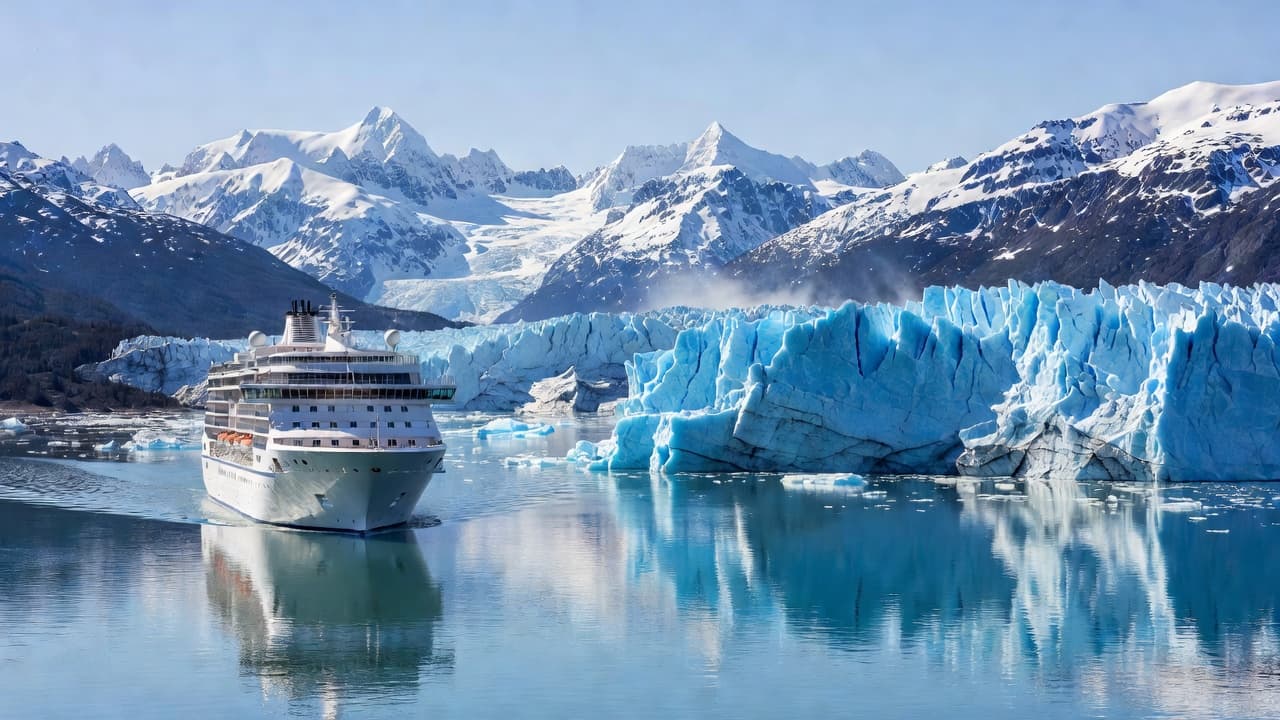
Book early to get the cabin and dates you really want
Alaska cruises sell on location as much as price. Balcony cabins go fast because people want glacier views without fighting for rail space, and midship rooms are often the first to go because they feel steadier in rougher water. Summer sailings, especially June through August, also fill quickly since that’s when families, retirees, and school-break travelers all crowd into the same window.
Early booking gives you more control over the parts that matter most. You get a better shot at your preferred cabin, more sailing dates to choose from, and more time to sort out flights and pre-cruise hotels without scrambling. That matters in Alaska, where the cruise is only one piece of the trip.
If you want the best cabin choice, don’t wait for the last deal. The cabin you want is usually the first one to go.
It also helps with planning the rest of the trip. A little extra time makes it easier to line up a one-night stay before embarkation, build in buffer time for flights, and avoid the stress of last-minute connections. For a cruise that may involve glacier viewing, long port days, and a lot of moving parts, that cushion is worth a lot.
Watch for 2026 itinerary changes and new cruise offers
Cruise lines often refresh Alaska itineraries well ahead of sail date. That can mean new ports, different glacier routes, or a ship swap that changes the whole feel of the voyage. A sailing that looks similar on paper may actually give you more time in scenic cruising areas or a better mix of port calls.
That’s why it pays to compare more than one option before you book. A line like Royal Caribbean’s Alaska cruise itineraries may show multiple 2026-2027 choices with different dates, ships, and routing details, and that kind of comparison can reveal better value fast.
Keep an eye out for offers that make the numbers work harder for you:
- Onboard credit for dining, drinks, or shore expenses
- Drink packages bundled into the fare
- Reduced deposits that lower the upfront cost
- Cabin upgrades that move you into a better room for less
For Alaska, these offers matter because the trip budget often stretches beyond the cruise fare. Once you add flights, hotels, transfers, and shore excursions, even a modest perk can make a real difference.
How to choose the right Alaska cruise route
The right Alaska cruise route depends on what you want most, not just the lowest fare. Some itineraries are easier, some give you more scenery, and some work better if you want to add a land tour after the ship docks.
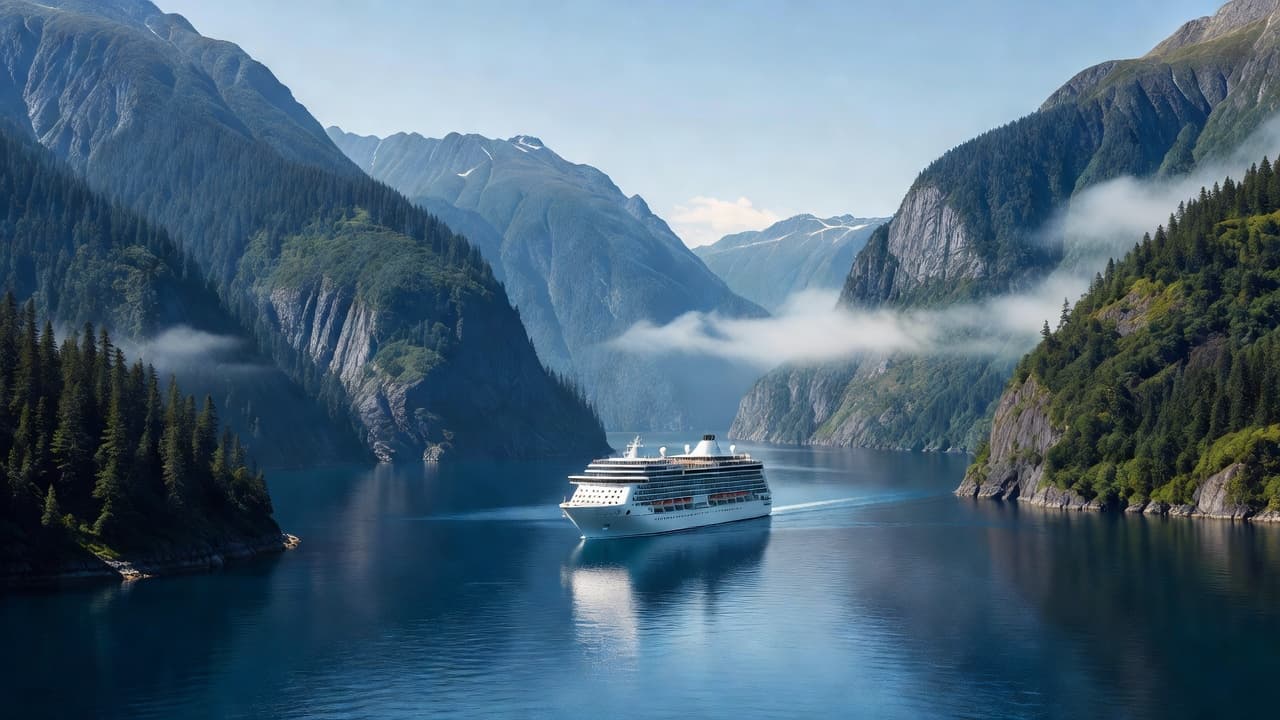
The Inside Passage is the route most first-time Alaska cruisers hear about first, and for good reason. It usually means calmer waters, more protected sailing, and a classic mix of coastal scenery, wildlife, and port stops. If you want an easier trip with less moving parts, this is often the safest bet.
Round-trip sailings are the simplest option. You fly in and out of the same port, which makes flight planning easier and often keeps costs lower. That matters if you want a straight shot with fewer logistics to juggle, especially for a first Alaska cruise.
One-way cruises usually go farther north and often cover more of Alaska. They can pair well with a land tour, which is a smart move if you want to see places like Denali or spend more time inland. The tradeoff is more planning, more flight coordination, and a trip that feels a little less plug-and-play.
A quick comparison helps:
| Route type | Best for | Main upside | Main drawback |
|---|---|---|---|
| Inside Passage | First-timers, scenic sailing | Calm waters and classic Alaska views | Can feel shorter on land time |
| Round-trip | Easy planning and simpler flights | Same port in and out | Less flexibility for inland travel |
| One-way | Bigger Alaska trip, land tour combo | More time in Alaska overall | More logistics and higher planning effort |
If you want the smoothest experience, round-trip is hard to beat. If you want the most Alaska packed into one vacation, one-way is usually the stronger choice. For a closer look at how these route types compare, Cruise Critic breaks down round-trip vs. one-way Alaska cruises.
If you hate complicated travel days, choose round-trip. If you want to stretch the trip into a bigger Alaska experience, look hard at one-way sailings.
Why glacier time and scenic cruising matter so much
 Not every Alaska cruise gives you the same glacier access, and that difference can change the whole trip. Glacier time is often the moment people remember most, because it gives you the frozen, massive, postcard-style Alaska view you came for.
Scenic cruising days matter just as much. These are the quieter parts of the itinerary when the ship moves through fjords, past ice fields, or into protected waters that feel more like a moving lookout point than a transportation day. You are not rushing between ports, you are just watching Alaska roll by.
When you compare routes, look for names that stand out:
- Glacier Bay for one of the most famous glacier experiences
- Hubbard Glacier for dramatic ice and big-ship viewing
- College Fjord for a scenic cruise with strong glacier variety
These stops are not equal on every itinerary, so read the fine print before you book. A route with one strong glacier day usually beats a longer route with none. Alaska is beautiful everywhere, but the glacier days are the ones that stick.
Pick the right cruise length for your budget and schedule
Short Alaska cruises can look tempting because the price tag is lower. They work well if you have limited vacation time or just want a taste of the region without a major trip.
Longer cruises usually give you more breathing room. You get more time for wildlife watching, more port stops, and more hours where you can actually relax instead of watching the clock. That extra time also helps if weather changes your plans, which happens often enough in Alaska.
Think about the trip as a whole, not just the fare. A shorter cruise may save money upfront, but a longer one can give you more value if you care about scenery, port time, and fewer rushed days. If you are already flying all the way to Alaska, adding a few more nights can make the trip feel complete instead of skimmed down.
A simple way to decide is this:
- Pick shorter cruises if you want a lower starting price and a tighter schedule.
- Pick longer cruises if you want more wildlife viewing, better pacing, and extra time on board.
- Pick the route that matches your real priorities, not the cheapest headline rate.
The best Alaska cruise route is the one that fits how you travel. If you want easy logistics, round-trip Inside Passage sailings make sense. If you want more Alaska and maybe a land tour, one-way is the better fit.
Simple planning tips that make your Alaska cruise better
A good Alaska cruise is built on small decisions. Pick the right month, pack for wet weather, book the right tours, and leave room for travel hiccups. Do those four things well, and the trip feels easier, warmer, and a lot less rushed.
Choose the best time of year for weather, wildlife, and fewer crowds
Alaska cruise season usually runs from spring into early fall, and each stretch has its own tradeoffs. Spring, especially April and May, can bring lower prices and lighter crowds, but the weather is cooler and some tours may still be ramping up.
Summer is the busiest stretch, and for good reason. June, July, and August give you the longest daylight, the warmest temperatures, and strong odds for wildlife sightings, but they also bring higher prices and fuller ships and ports.
Early fall can be a sweet spot if you want a calmer trip. September often means fewer crowds and better fares, though daylight starts to fade and the weather turns more unpredictable. If you care most about one thing, let that decide the month.
| Month range | Best for | Main tradeoff |
|---|---|---|
| April to May | Lower prices, fewer crowds | Cooler weather, fewer options |
| June to August | Daylight, wildlife, peak cruise season | More people, higher rates |
| September | Lower crowds, good value | Less daylight, chillier weather |
If you want the most daylight, pick midsummer. If you want better prices and less traffic, look at shoulder-season sailings. For a month-by-month look at Alaska cruise timing, Cruise Critic’s Alaska guide is a useful starting point.
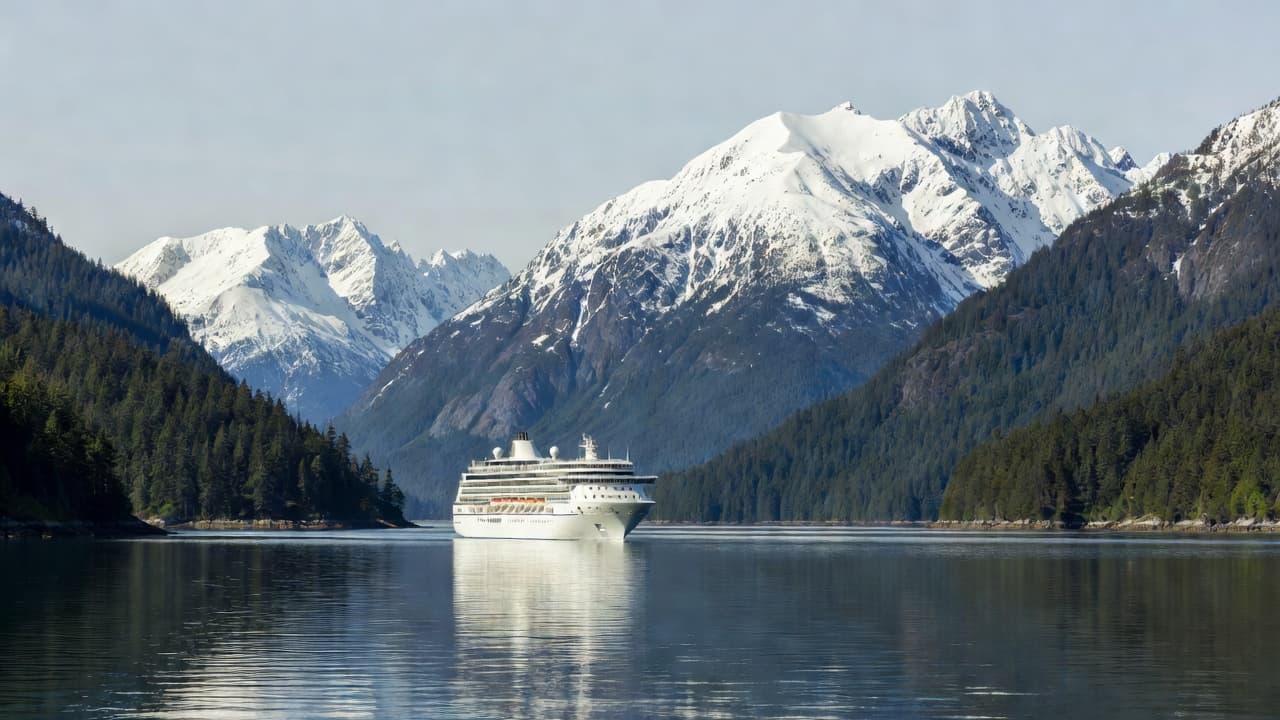 In Alaska, the best month is the one that fits your priorities, not just your calendar.
Pack for rain, cool air, and changing weather
Alaska can feel mild in one hour and chilly the next. Even in summer, a sunny morning can turn into a wet, windy afternoon, so packing for layers is the smart move.
Start with basics you can mix and match:
- Light layers like T-shirts, long sleeves, and a fleece
- A waterproof jacket that can handle steady rain and wind
- Warm shoes with good grip for wet decks and port walks
- Gloves and a hat for glacier viewing and breezy mornings
- Binoculars for whales, eagles, and distant shoreline views
- A day bag for sunscreen, water, camera gear, and extra layers
Keep one extra outfit in your carry-on, too. That helps if luggage is delayed or if you need a quick change after a rainy excursion. A compact backpack or crossbody day bag also makes port days easier, since you can keep your hands free for cameras, coffee, and railings.
Think layers, not bulk. Alaska packing works best when each item earns its place.
Plan shore excursions before you sail
Popular Alaska tours can sell out long before departure, especially whale watching, dog sledding, glacier trips, and helicopter tours. If one of those is on your must-do list, book it early instead of hoping for last-minute space.
Some ports are easy to do on your own. You can often walk around town, browse shops, or grab a meal without much planning. Other ports are better with a guide, especially when the main attraction is far from the dock or depends on timing, weather, or transportation.
A little advance planning helps you spend money where it matters. You do not want to arrive in port and find out the one tour you wanted is gone.
Use this simple rule:
- Book high-demand tours before sailing.
- Leave simple ports open if you want flexibility.
- Match the tour to the port, not just the brochure photo.
That balance keeps the trip from feeling overbooked. You still get freedom, but you also get the experiences that make Alaska worth the fare.
Do not skip travel insurance and flight planning
Travel insurance can save you from a bad day becoming an expensive one. Weather delays, missed flights, port changes, and last-minute schedule shifts happen more often on Alaska trips than people expect.
That matters even more if your cruise starts in Seattle, Vancouver, or if you are connecting through Anchorage. Flying in a day early gives you a cushion for delayed flights, lost bags, and airport traffic, and it removes a huge amount of stress on embarkation day.
A simple pre-cruise plan helps:
- Arrive early so a flight delay does not sink your departure
- Book flexible flights if the fare difference is reasonable
- Choose insurance that fits your trip cost and flight risk
- Build in hotel time near the port if your cruise leaves early
A missed sailing is far more painful than one extra hotel night. For Alaska, that buffer is worth it.
If you want a smoother trip, treat planning like part of the vacation. A little extra time, a better packing list, and early excursion bookings can turn a good Alaska cruise into one that feels easy from the start.
Port times are typical starting points, not your actual schedule. Always confirm against your ship’s daily program.
Time until you should head back
–:–
Southeast Alaska cruise port timer — always double-check with your ship’s crew if you’re unsure.


